
HOME LIGHTING GUIDE
How to Choose the Right Lighting for your Home.
Planning a renovation? This guide explains how to choose timeless fixtures, use pot lights effectively, select the right LED colour temperature and create a lighting plan designed around the way you live.
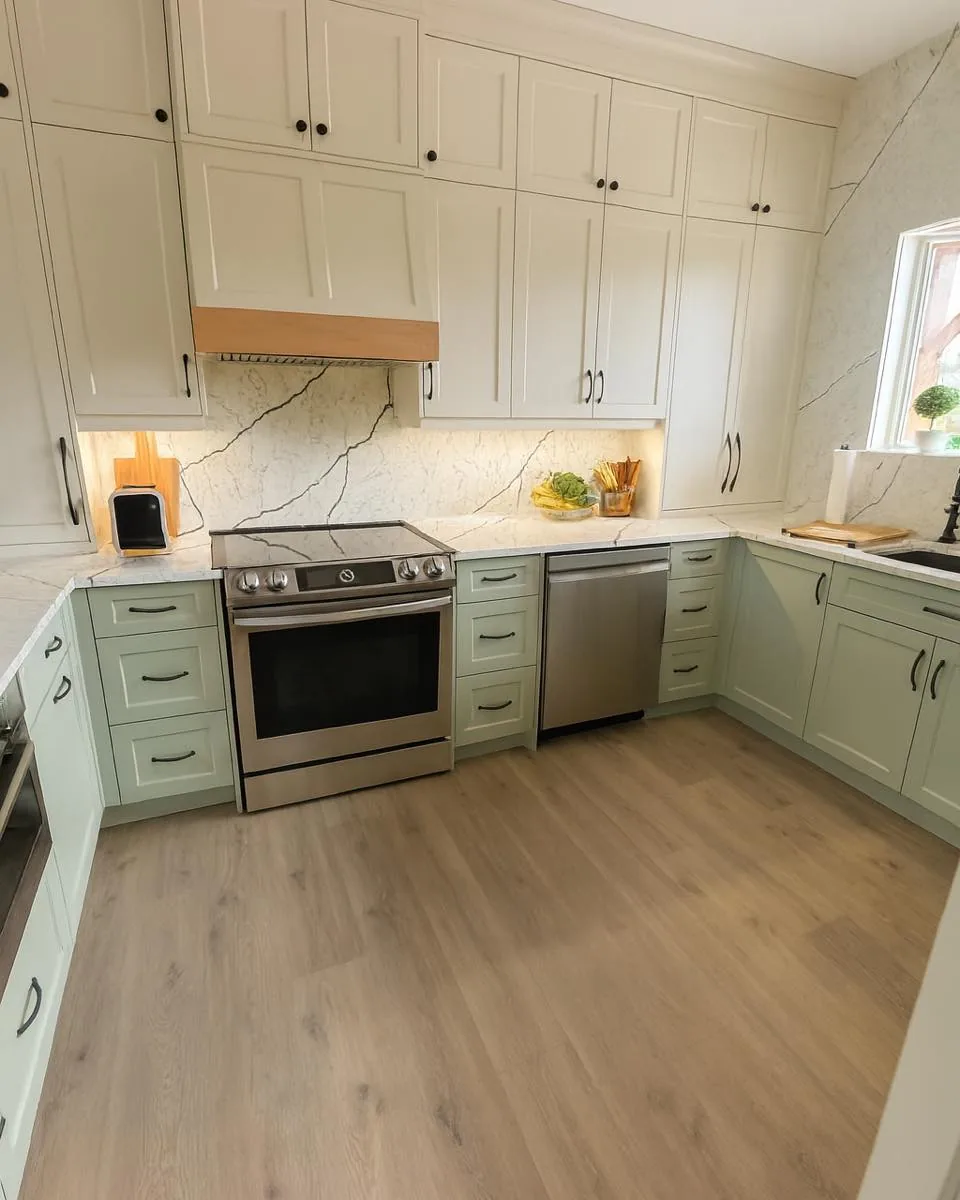
Great lighting changes Everything.
Choosing lighting is about more than finding fixtures that look good in a showroom. The right lighting makes your home more comfortable, functional and inviting. Poor lighting can make even a carefully renovated room feel harsh, flat or unfinished.
Whether you are building, renovating or updating one room, it helps to make your lighting decisions before the electrical rough-in. A thoughtful plan considers how each room will be used, where task lighting is needed and which fixtures should become visual features.
Homeowner Tip:
Choose important fixtures before electrical rough-in. Knowing the fixture dimensions and mounting requirements gives your electrician the information needed to place wiring and supports correctly, and can help avoid disruptive changes later.
Start with How the Space will be Used
A kitchen needs clear, even lighting for meal preparation. A bathroom needs useful light around the mirror. A dining room should feel warm and inviting. A living room may need bright light for reading one moment and softer light for relaxing the next.
Before deciding how many lights a room needs, review the furniture layout, cabinetry, work surfaces, ceiling height and natural light. Good lighting follows the room rather than simply filling the ceiling.
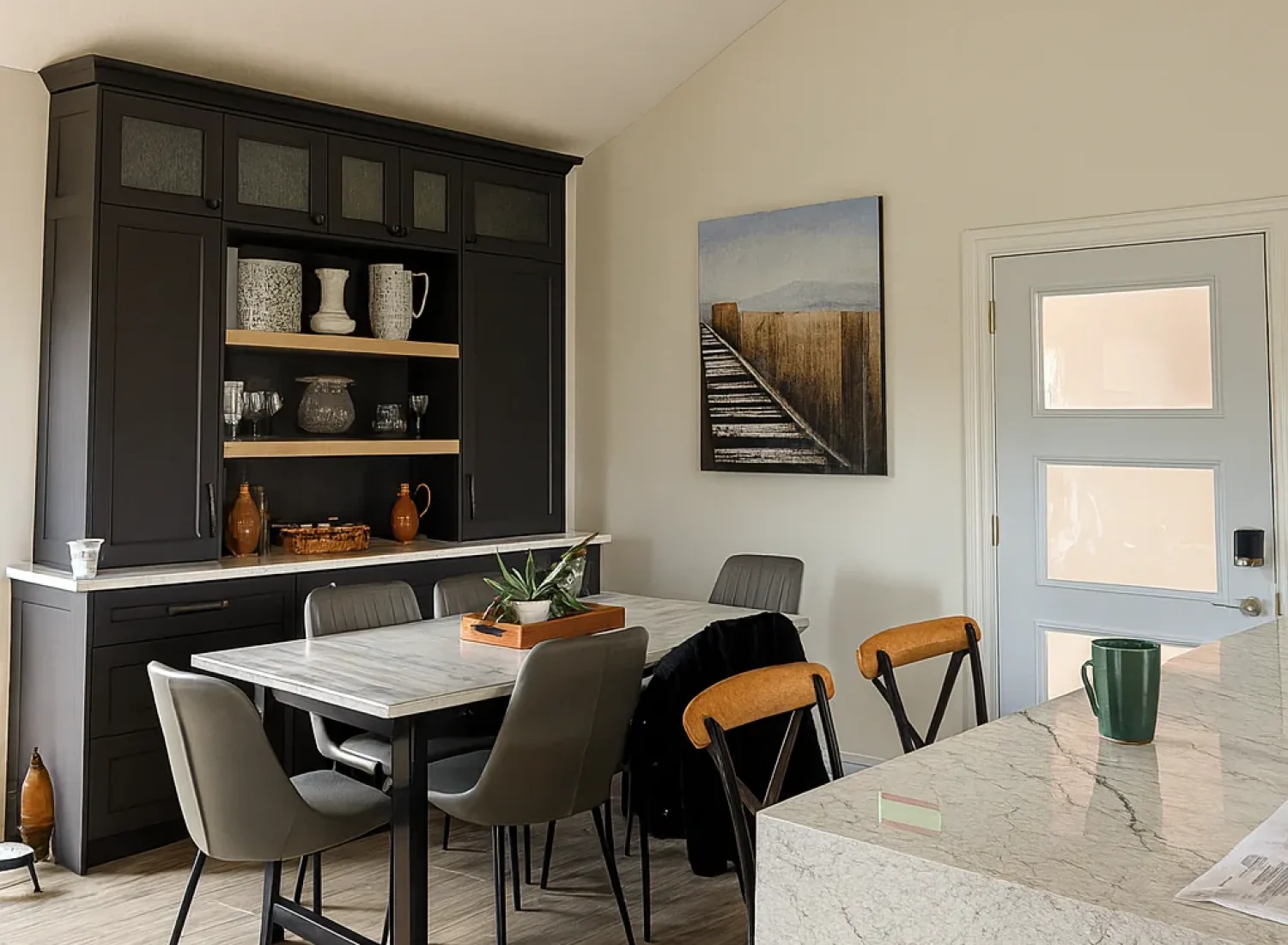
Project Spotlight:
Layered Lighting Done Right
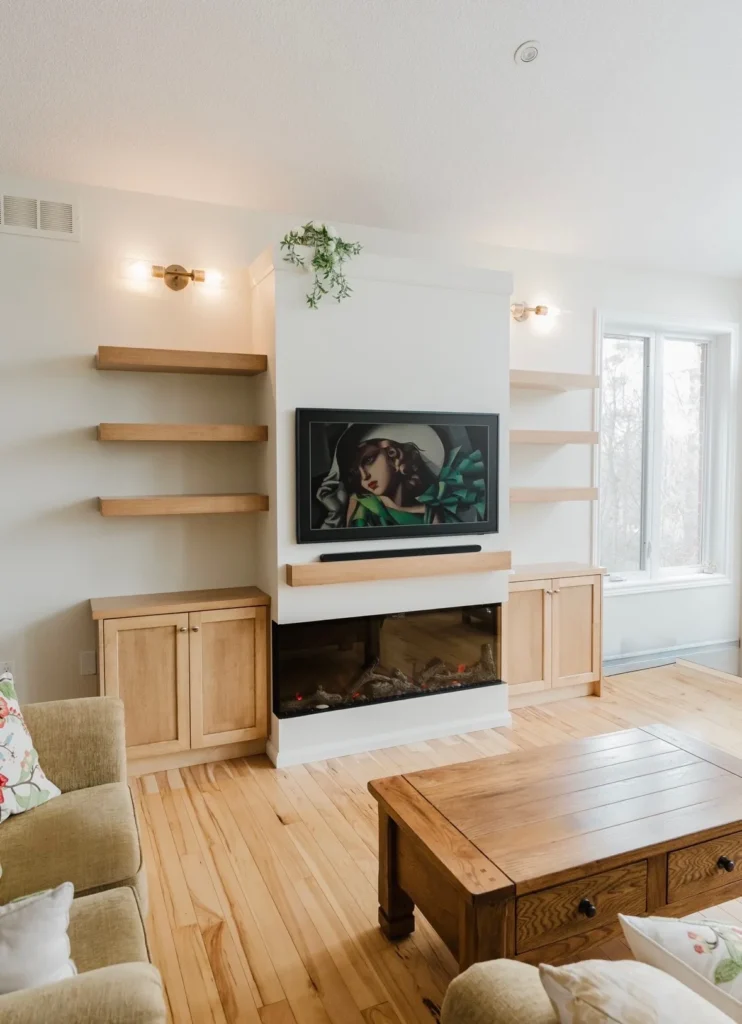
This feature wall combines practical room lighting with decorative wall sconces. The sconces draw attention to the custom millwork and provide a softer option for evenings. Instead of asking one fixture to do everything, the room uses different light sources for function, comfort and visual interest.
When Should you use Pot lights?
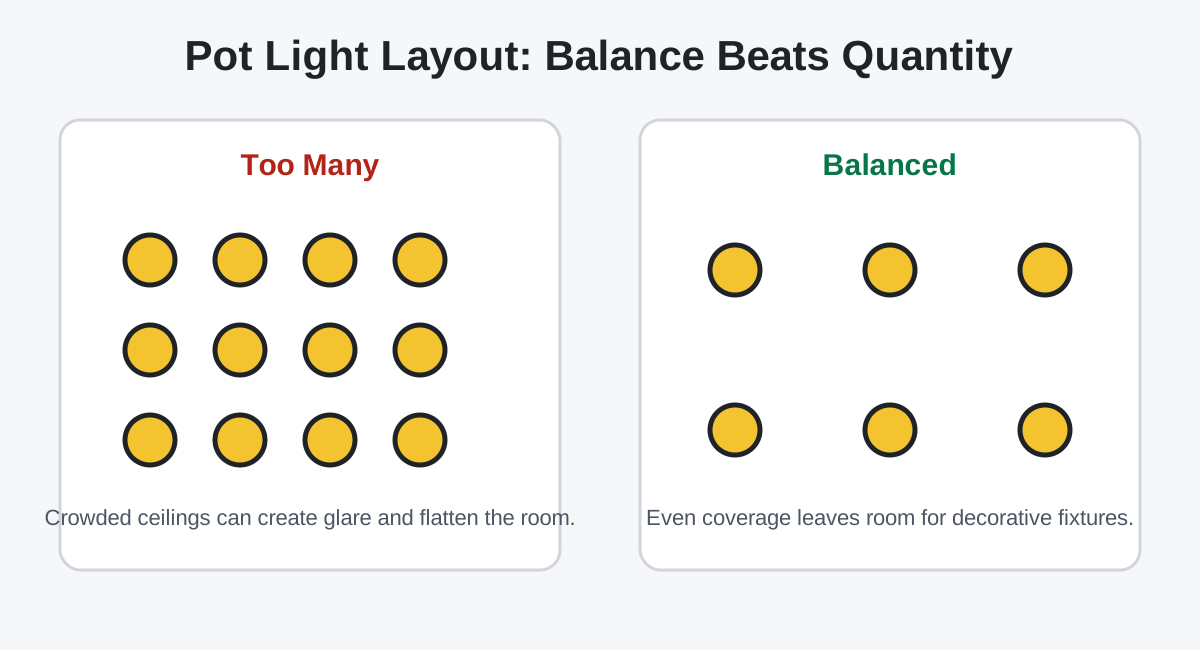
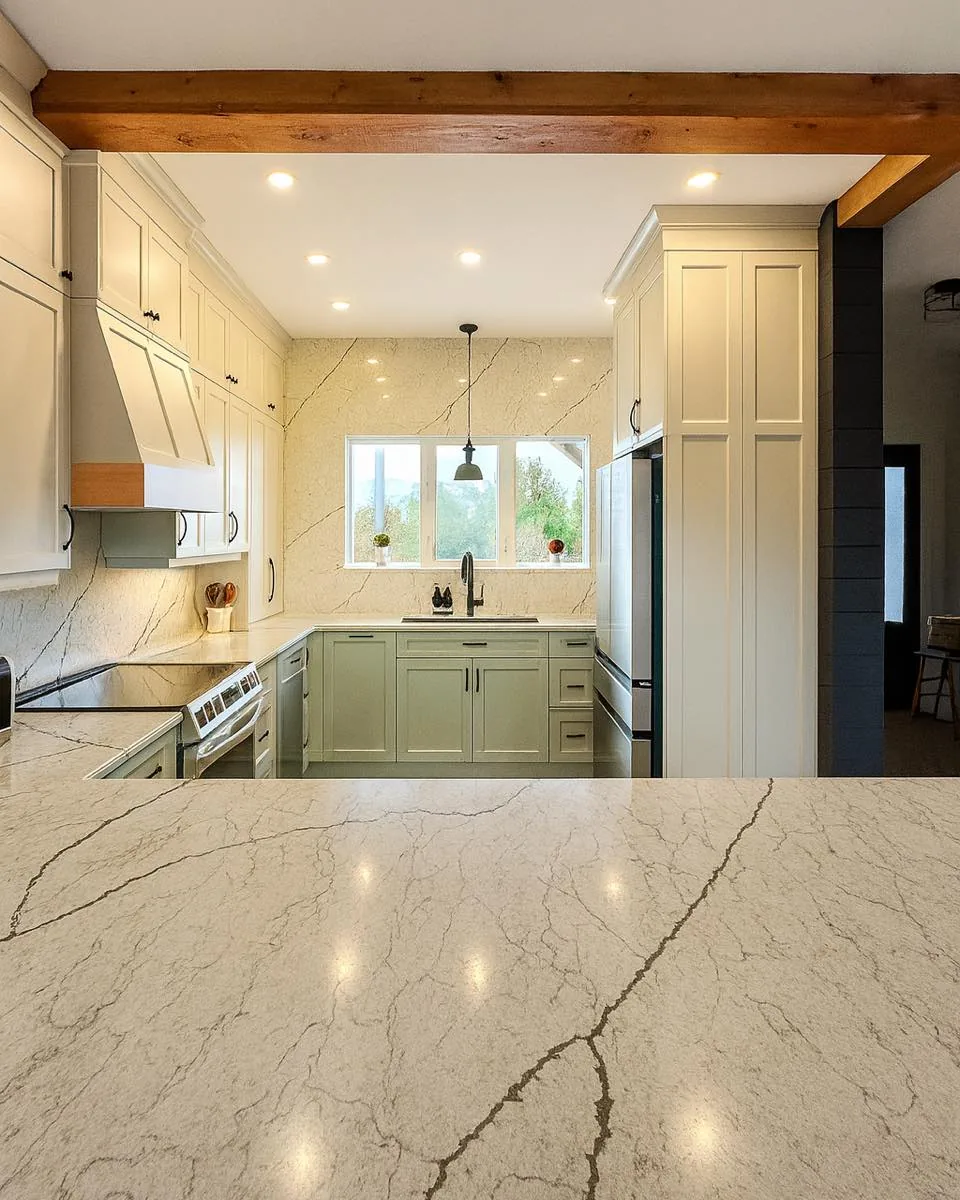
Pot lights provide clean, even illumination without making the ceiling feel busy. They work especially well in kitchens, hallways, bathrooms, basements and rooms with lower ceilings.
The goal is not to place a pot light in every available section of ceiling. Too many fixtures can create glare, flatten the room and compete with decorative lighting. Layout should respond to cabinets, counters, furniture and architectural details.
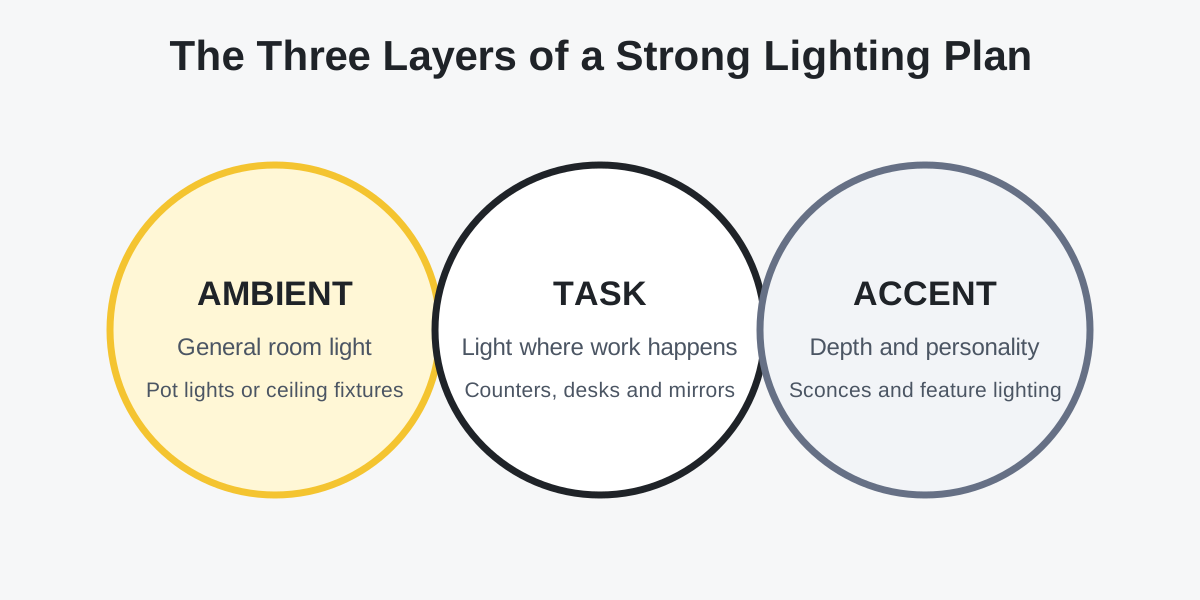
Layer your lighting
Strong lighting plans generally combine three layers:
Ambient lighting provides the general level of light in the room.
Task lighting places useful light where work happens, including kitchen counters, desks and bathroom mirrors.
Accent lighting highlights materials, artwork and architectural features while adding depth.
When these layers are controlled separately, the room can change throughout the day.
Choose Fixtures that suit the Home
Timeless does not have to mean plain. Choose fixtures with proportions, finishes and shapes that connect to the architecture and the other permanent finishes in the room.
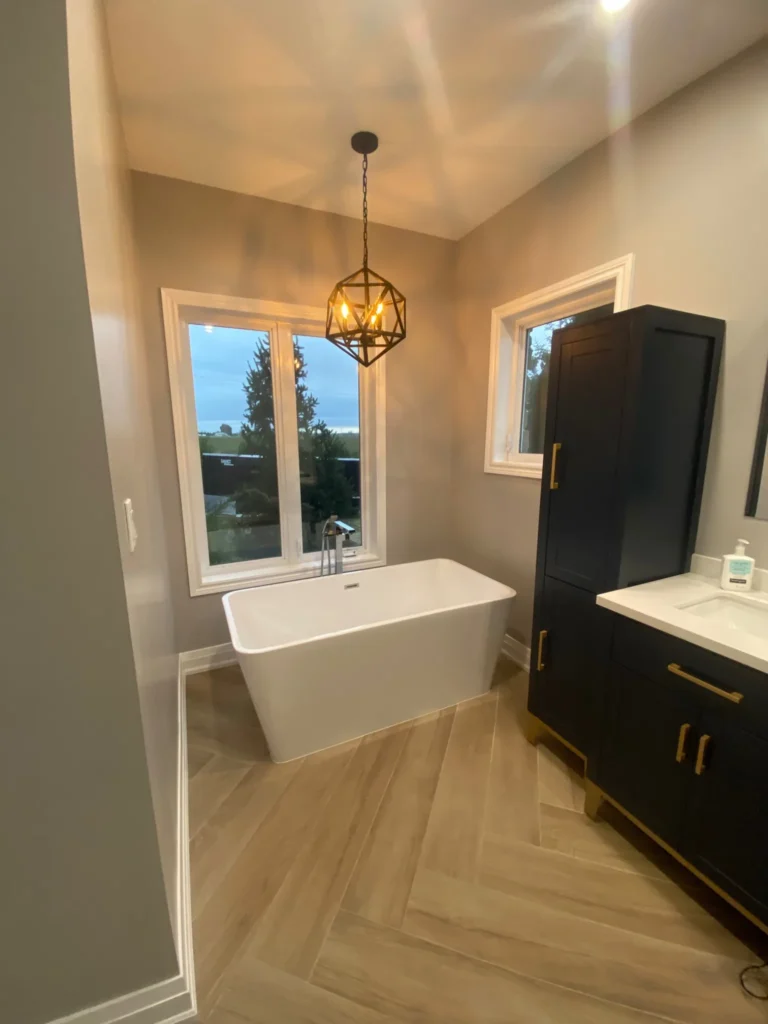
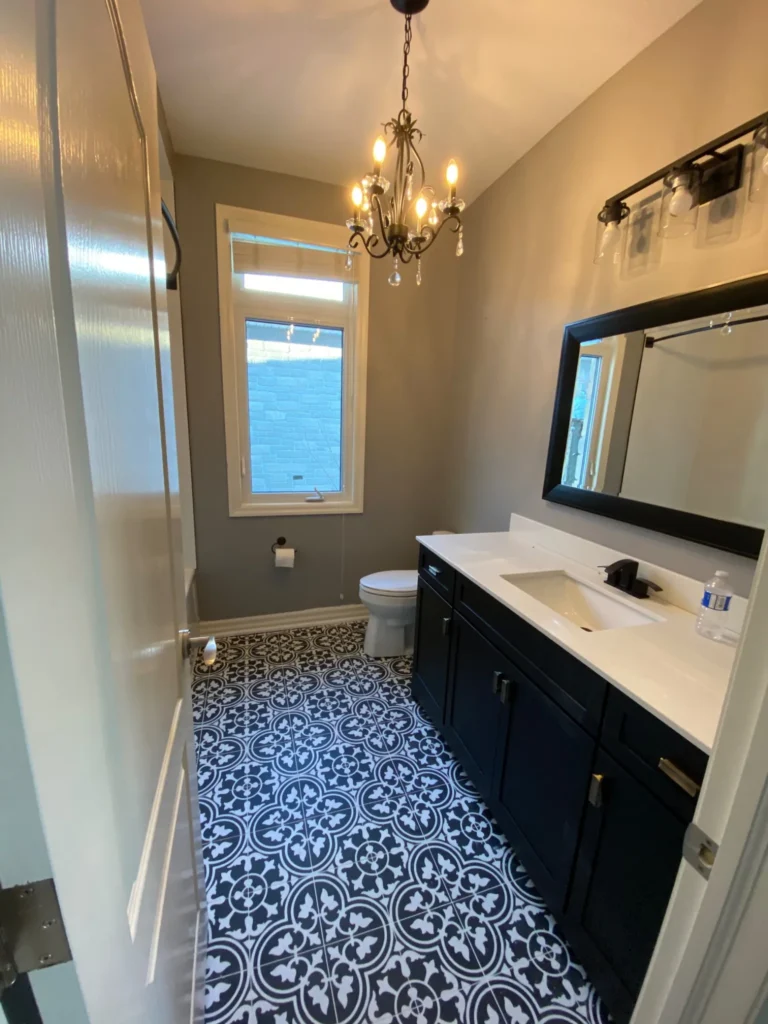
Pot lights are visually quiet and versatile. Pendants create focal points over islands and feature areas. Wall sconces add warmth and depth. Chandeliers and decorative fixtures can give a practical room a memorable identity. Modern fan-and-light combinations can add comfort without sacrificing style.
Warm or Cool Light?
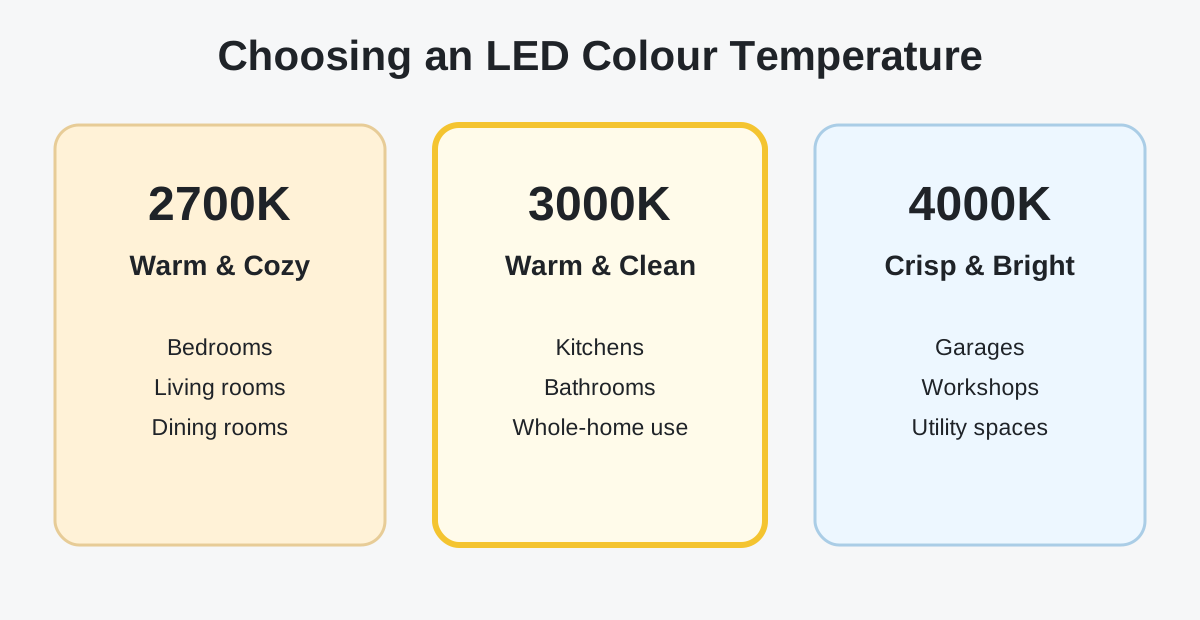
LED colour temperature is measured in kelvins and shown as K on the package.
2700K feels warm and relaxed. It works well in bedrooms, living rooms and dining areas.
3000K is warm without appearing overly yellow. It is a versatile choice for many kitchens, bathrooms and whole-home lighting plans.
4000K is crisp and bright. It is often suited to garages, workshops and utility spaces.
Homeowner Tip:
Check every integrated LED fixture before ordering. Two products described as warm white may not match. Consistent colour temperature helps connected spaces feel intentional.
Use Dimmers for Flexibility
A kitchen may need bright lighting during meal preparation and softer lighting during dinner. A bathroom may need clear morning task lighting but gentler light at night. Dimmers make the same fixtures more useful throughout the day.
Confirm that the LED lamps or integrated fixtures are dimmable and compatible with the selected control. Compatibility helps prevent flickering, buzzing and limited dimming range.
How lighting can make a room feel bigger
Lighting cannot change the measurements of a room, but it can change how open the room feels. Dark corners make boundaries more obvious, while illuminated walls and ceilings help the eye move through the space.
- Use even general lighting instead of one harsh central source.
- Light vertical surfaces such as backsplashes and feature walls.
- Use under-cabinet lighting to remove countertop shadows.
- Keep the ceiling visually organized.
Plan before the electrical rough-in
Lighting decisions are easier and generally less disruptive before drywall is installed. Confirm cabinetry, major furniture locations, ceiling heights, fixture dimensions, switch locations, dimmers and any lighting built into architectural details.
This is also the right time to discuss three-way switching, lighting controls and future flexibility.
Common Lighting Mistakes to Avoid
Too many pot lights:
More fixtures do not automatically create better lighting.
Mixed colour temperatures:
Unplanned differences can make a finished room look inconsistent.
Forgotten task lighting:
General ceiling light can leave shadows where clear visibility is needed.
Choosing fixtures too late:
Fixture dimensions and mounting requirements can affect the electrical layout.
FAQ's
For many homeowners, 3000K provides a comfortable balance: warm enough for living spaces but clean enough for kitchens and bathrooms. Personal preference and interior finishes should still be considered.
No. Pot lights are useful for even ambient lighting, but some rooms are better served by a central fixture, sconces, lamps or a combination.
Ideally, key fixtures should be selected before electrical rough-in because dimensions, mounting details and lighting output can affect placement.
No. The fixture or lamp must be identified as dimmable, and the dimmer must be compatible with the LED load.
FREE DOWNLOAD
Lighting Planning Checklist
Use our printable checklist to organize room layouts, fixture choices, colour temperature, controls and questions before meeting with your electrician or contractor.
Planning New Lighting For your Home?
Gingrich Electric & Contracting works with homeowners, builders and designers to create practical, comfortable lighting plans for renovations and new construction.